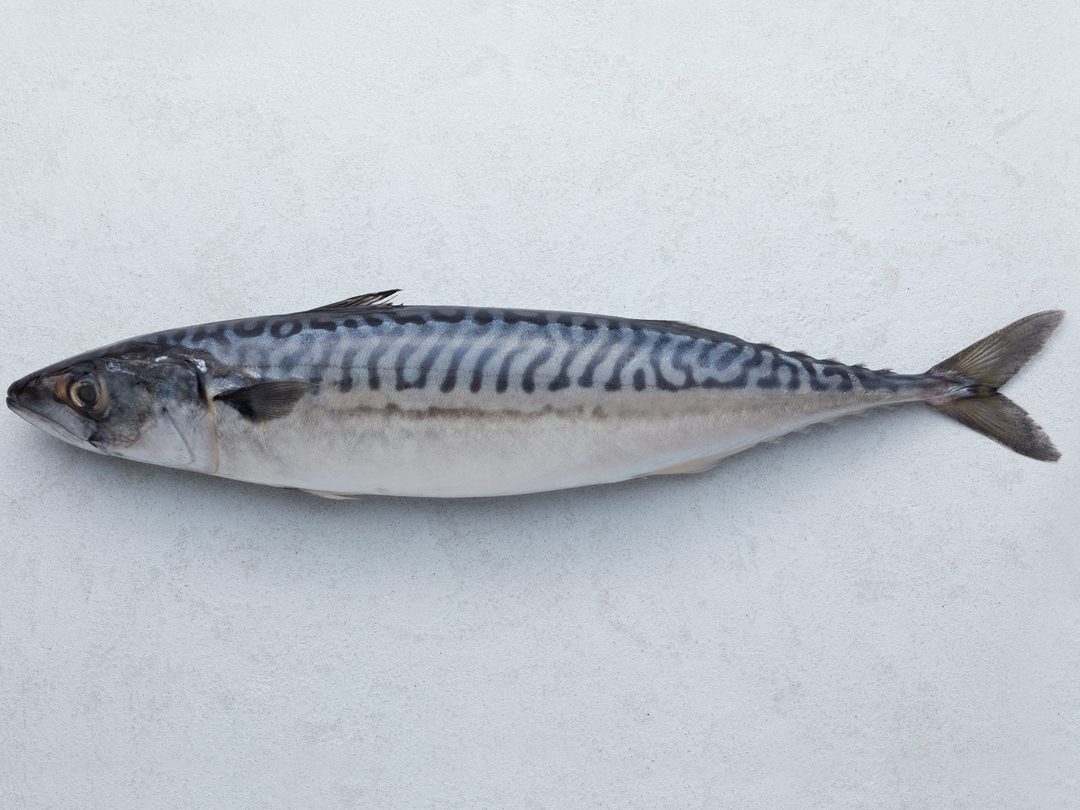
Whole round WR
- Available specifications may include
-
- Frozen
- Frozen at sea (FAS)
- Frozen on shore
- Block frozen
- Grading
- Core weight grades · Extended market grades
PELAGIC · NORWAY
Scomber scombrus
Mackerel is supplied commercially, frozen, in whole round, fillet and butterfly presentation. Catch season, weight grade and fat are declared per lot because they change what the fish is worth to you.
Request a quote Download specification
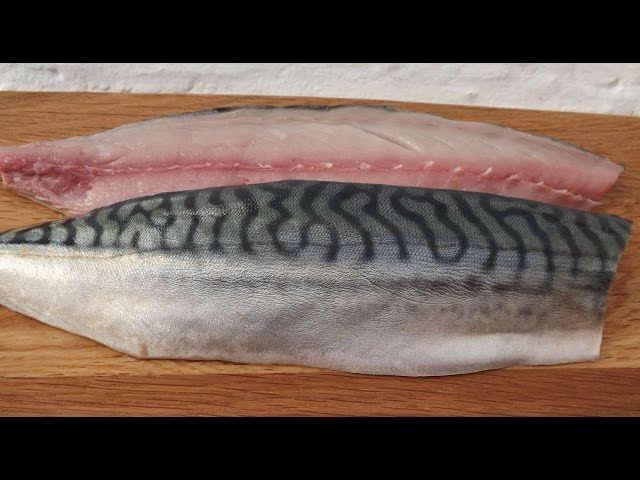
Mackerel is bought on three numbers and a date: weight grade, fat percentage, and catch season — and the catch date that ties them together. The weight grade you can read off a carton. The fat you cannot, and it is the variable that decides whether the fish suits a Japanese or Korean programme, a smoking line, or a canning contract. No honest supplier publishes a fixed fat figure for the species, and neither do we.
Mackerel is supplied commercially, frozen, in whole round, fillet and butterfly presentation. Catch season, weight grade and fat are declared per lot because they change what the fish is worth to you.
Available products for different markets and applications. Our role differs by form — each card states it.
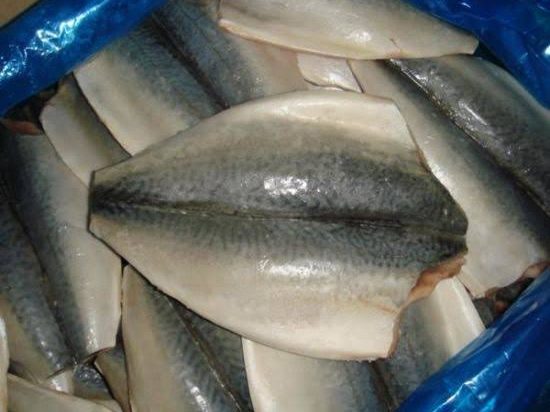
Flap or butterfly cut, head off, backbone removed.
Atlantic mackerel (Scomber scombrus), whole round, frozen, weight grade, catch date, fat percentage, pack style and glaze to be stated.
Grading is grouped by product form. Where more than one system exists they are kept apart — a band from one ladder is not the same commitment as a band from another.
Gross weight per fish, whole round, before glazing. The bands most Norwegian mackerel is traded on.
Gross weight per fish, whole round, before glazing. Additional bands used in specific destination programmes. These overlap the core grades — name the system your contract uses.
Need a different size? We quote against your own grading system rather than forcing a preset.
Request a specific sizeSelect a step to see the attributes a buyer fixes in the contract for that form.
Attributes a buyer fixes in the contract for this form. Everything here appears in the quote configurator.
Attributes a buyer fixes in the contract for this form. Everything here appears in the quote configurator.
Attributes a buyer fixes in the contract for this form. Everything here appears in the quote configurator.
What the fish is, what was done to it, and what you require.
The final specification is contractual and product dependent, and is agreed in writing for each order.
Packing options depend on product form and market.
Net and gross weight, units per carton, pallet build and marking confirmed at order.
Net and gross weight, units per carton, pallet build and marking confirmed at order.
Net and gross weight, units per carton, pallet build and marking confirmed at order.
Net and gross weight, units per carton, pallet build and marking confirmed at order.
Net and gross weight, units per carton, pallet build and marking confirmed at order.
Net and gross weight, units per carton, pallet build and marking confirmed at order.
Net and gross weight, units per carton, pallet build and marking confirmed at order.
Net and gross weight, units per carton, pallet build and marking confirmed at order.
Net and gross weight, units per carton, pallet build and marking confirmed at order.
Net and gross weight, units per carton, pallet build and marking confirmed at order.
Net and gross weight, units per carton, pallet build and marking confirmed at order.
Net and gross weight, units per carton, pallet build and marking confirmed at order.
| Whole round frozen | Cartons agreed at order; state jumble or hand laid and the net-of-glaze basis |
|---|---|
| Block frozen | Used where the buyer thaws and re-processes; state block weight |
Maintaining quality from sea to market.
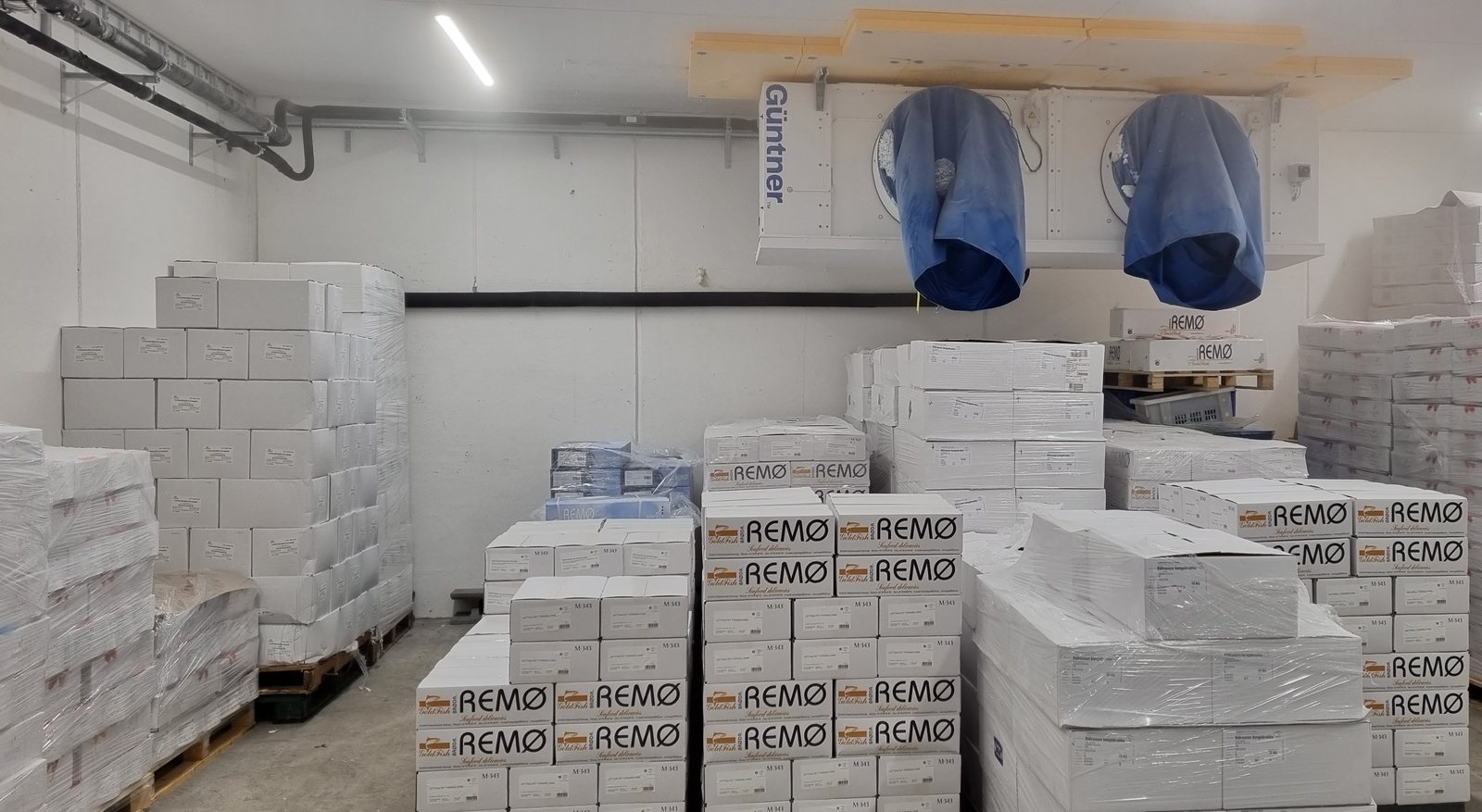
−18 °C or colder; pelagic species are commonly stored colder where available
Freezing method, freezing history and glaze are declared per lot.
Shelf life is stated per article on the specification sheet. Tell us the minimum remaining shelf life you need at delivery and we will confirm it against the lot.
Sourced from Norwegian waters.
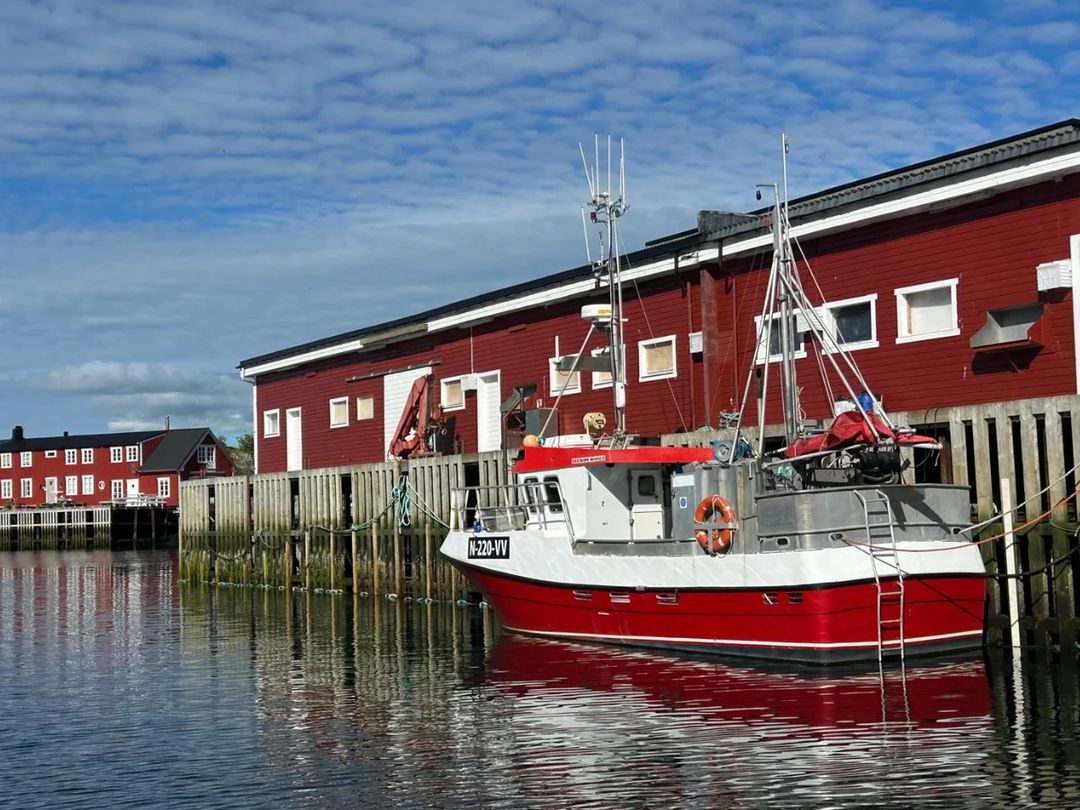
Wild caught by purse seine and pelagic trawl in the Northeast Atlantic and Norwegian Sea.
Availability varies by area, quota and season.
The Norwegian mackerel fishery is concentrated in late summer and autumn, and that is when fat content is typically at its highest. Fish from different points in the season are different commercial products even at the same weight grade.
| January | Lower availability |
|---|---|
| February | Lower availability |
| March | Lower availability |
| April | Lower availability |
| May | Lower availability |
| June | Lower availability |
| July | Normal availability |
| August | Normal availability |
| September | Peak season |
| October | Peak season |
| November | Normal availability |
| December | Lower availability |
FSSC 22000 scheme, via an accredited certification body
Food safety and quality management covering the production and packing of fish and seafood products at Fiskerstrand.
Norwegian Food Safety Authority (Mattilsynet)
Approval of the Fiskerstrand establishment for fish and fishery products, operating under a HACCP-based food safety plan and sanitation programme.
Classification, export documents and traceability — available or required depending on market and shipment.
| Scientific name | Scomber scombrus |
|---|---|
| FAO Alpha-3 code | MAC |
HS 0302.44 | Fresh or chilled, whole |
HS 0303.54 | Frozen, whole |
HS 0304.89 | Frozen fillets, other fish — confirm the national tariff line |
CN codes are the EU’s eight-digit extension of these headings and are confirmed per consignment.
Which formats typically serve which buyers.
Typically: WR · FLT
Typically: FLT · WR · FLAP
Typically: FLT · FLAP
Typically: FLT
Typically: WR · FLT
Typically: WR
Any supplier quoting a single fat percentage for "Norwegian mackerel" is quoting a marketing number. Fat moves through the season and between schools. Ask for the analysed figure for the lot you are being offered, with the catch date next to it.
Hand-laid mackerel arrives straight and presentable and costs more to pack. Jumble-packed mackerel is cheaper and perfectly correct for a processing line. Choosing the wrong one is an avoidable cost in both directions.
Procurement
Eight fields make a request a trader can price directly.
Atlantic mackerel
Whole round
400–500 g — Core weight grades
Frozen
Carton — weight to be agreed
5,000 kg
CIF destination port
Sizes, packing and specifications are confirmed at order confirmation.
Get a tailored quote based on your exact requirements.
Other species from the same category.
Practical guides for procurement teams.