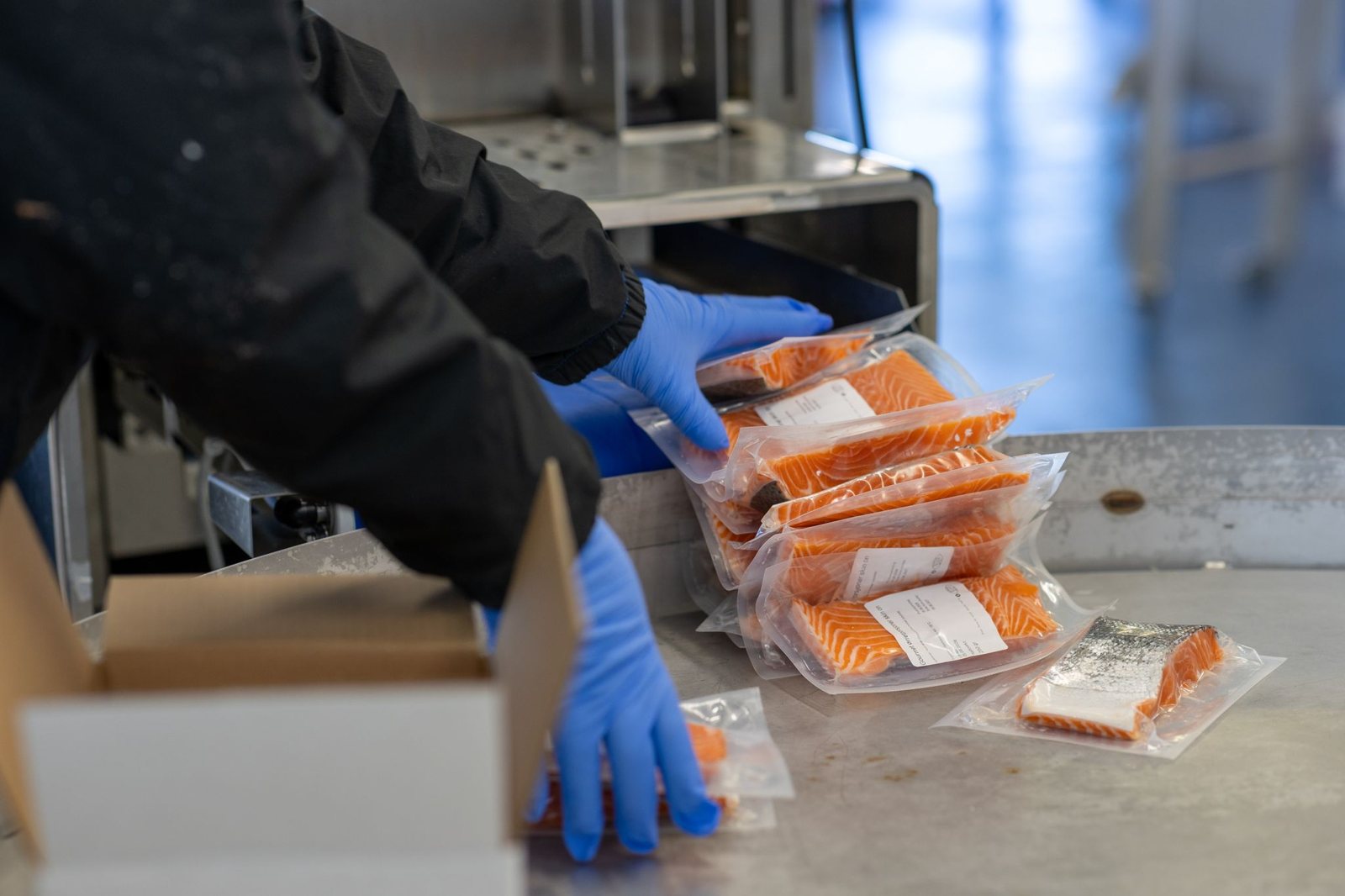
Getting it there
Logistics
Route, Incoterm and temperature are one decision, not three. This page sets out how we quote them.
- Road, air and sea Quoted to the product and destination
- Temperature control Set by product state and route
- Incoterms 2020 Always quoted with the named place
- Cold-chain evidence Agreed separately from the Incoterm
Routes
Road, air or sea
Which mode suits a consignment depends on the product state and the destination, not on preference. The table below is how we quote each one.
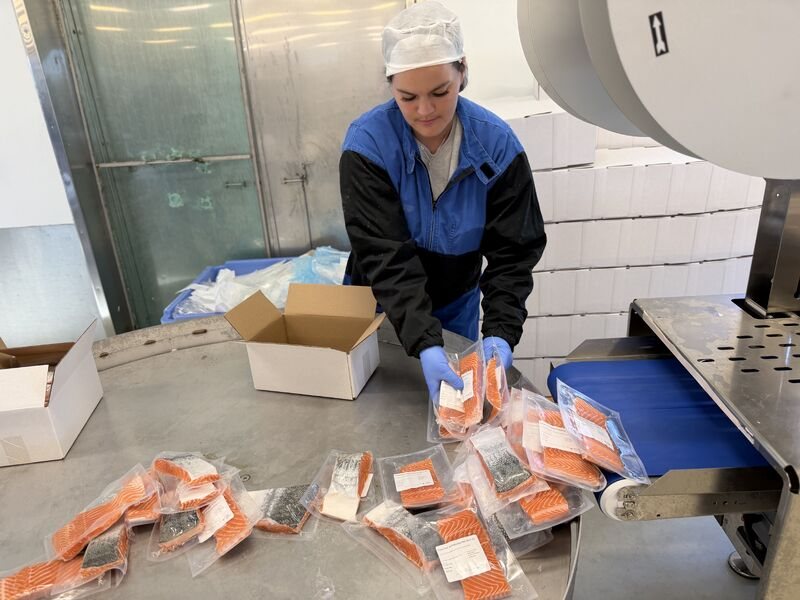
| Road, chilled | Continental Europe and the UK. The usual route for fresh salmon and trout. |
|---|---|
| Air | Via Ålesund and Oslo for consignments with a short window. Quoted with the named airport. |
| Sea container | Frozen and cured product to long-haul destinations. Plan against the sailing schedule, not the production date. |
Incoterms
Incoterms we quote
Any mode of transport
- EXW
- FCA
- CPT
- CIP
- DAP
- DPU
Sea freight only
- FOB
- CFR
- CIF
We quote EXW, FCA, CPT, CIP, DAP and DPU for any mode, and FOB, CFR and CIF for sea freight only. DDP is quoted only where we can act as importer of record in the destination country. Every term is quoted with the named place — a term without a place is incomplete.
Temperature control
Temperature through the chain
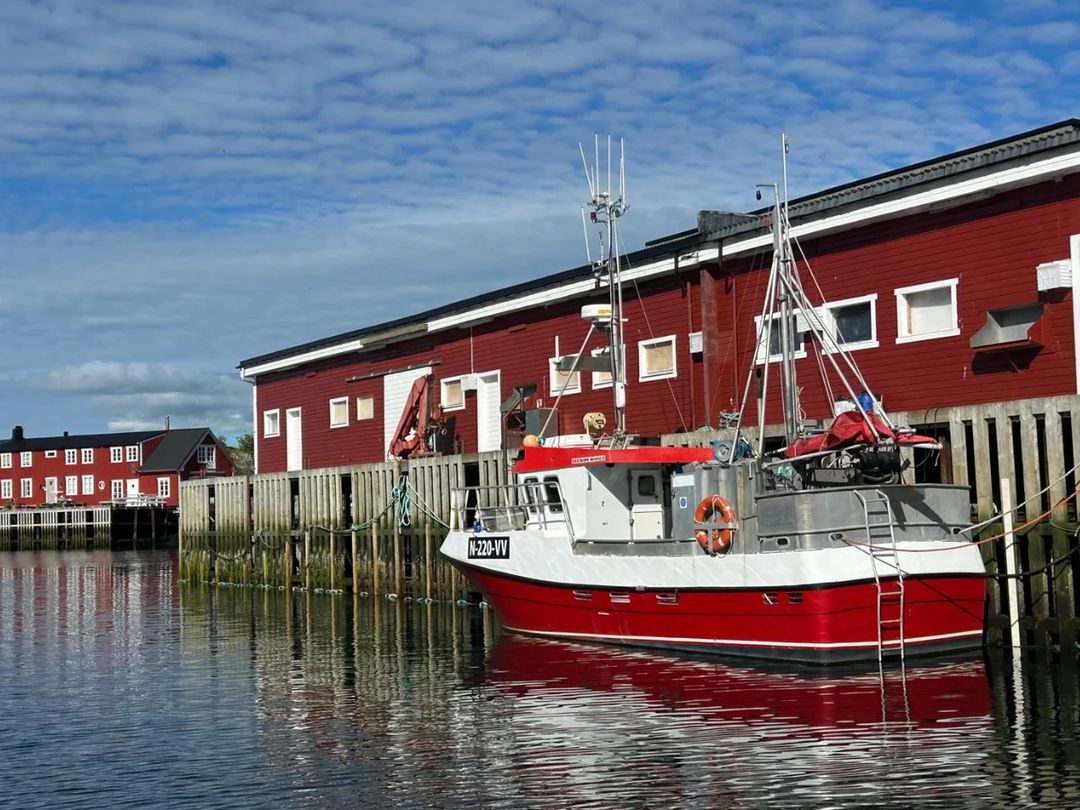
Temperature is set by the state the product is in, and it has to hold for the whole route — not only at loading.
| Fresh and chilled | 0 °C to +2 °C |
|---|---|
| Frozen | −18 °C or colder |
| Ready-desalted klippfisk | −18 °C to −30 °C |
| Dried products | Dry, cool and ventilated — humidity matters more than temperature |
Procurement
Send us your specification
Tell us the species, form, size, packing, quantity and destination. The more detail you provide, the closer the first reply can be to a commercially usable quote.