North America
United States
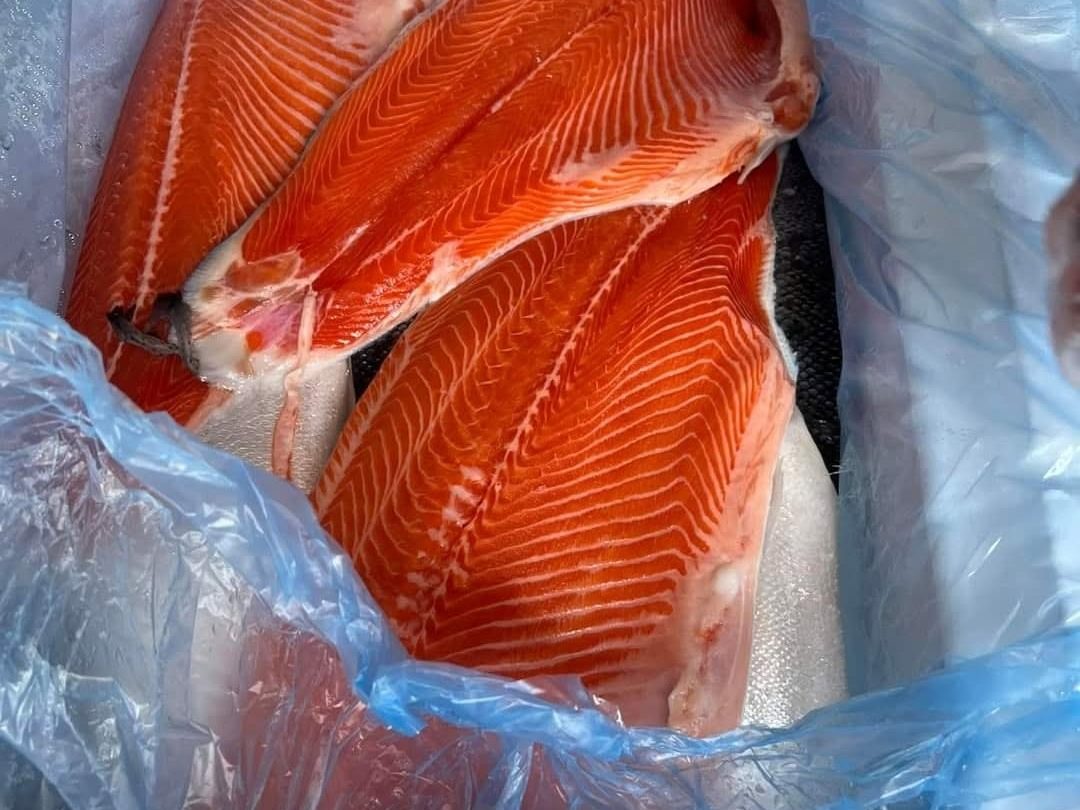
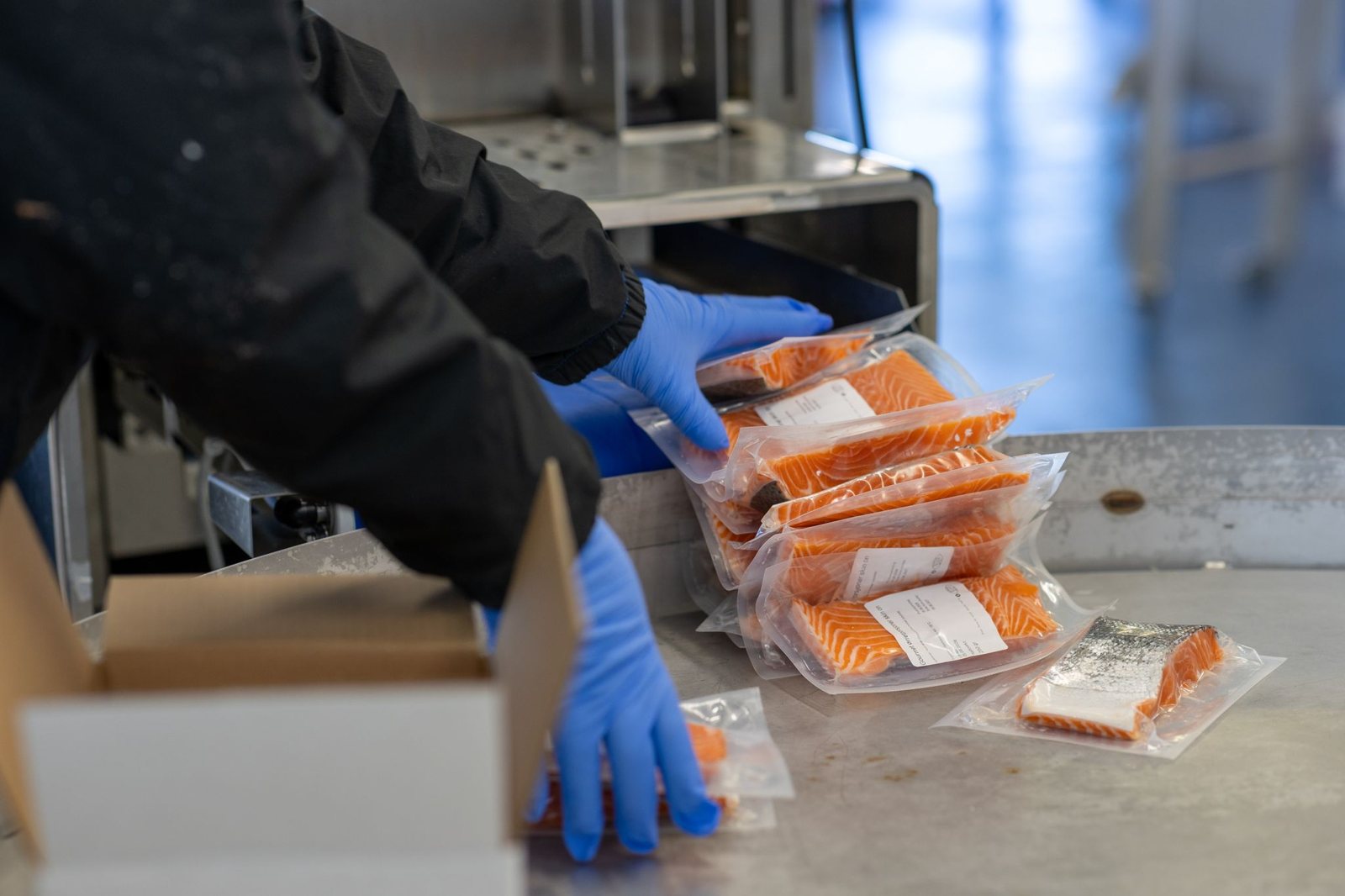
The United States buys in ounces, specifies portions tightly, and applies its own import controls to seafood. Portion tolerance, cut position and net-of-glaze weight are the fields that decide whether a programme works, and imperial presentation is expected throughout.
What we supply here
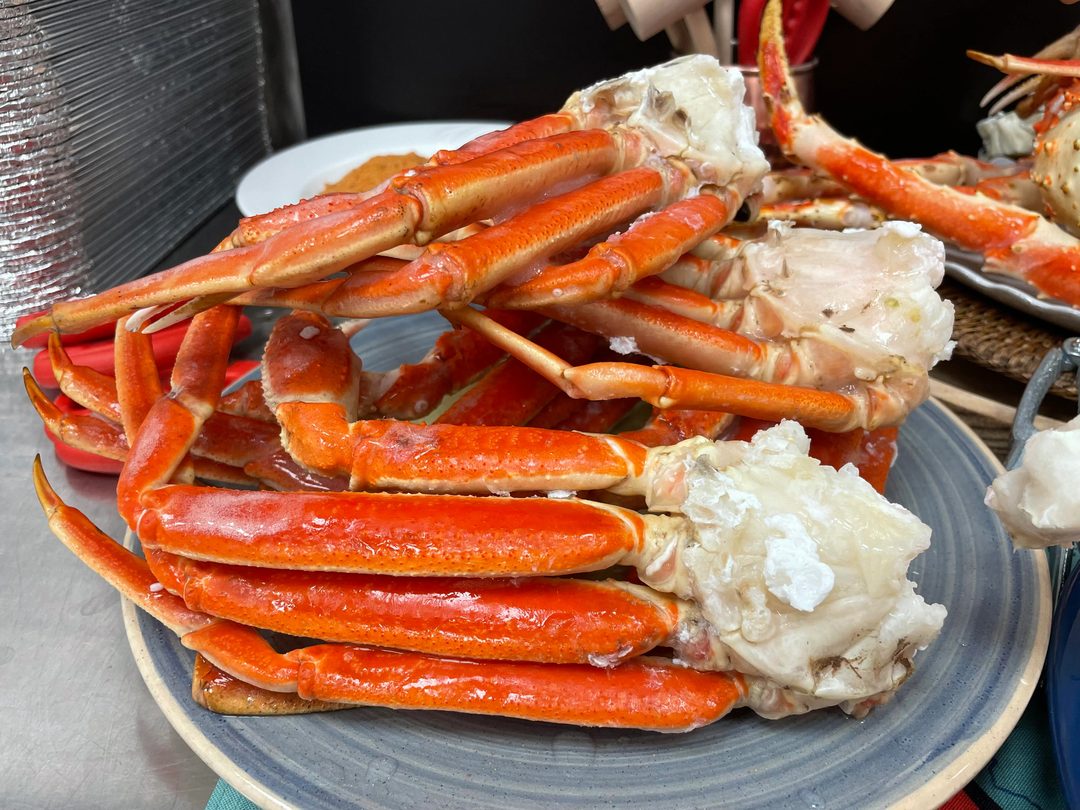
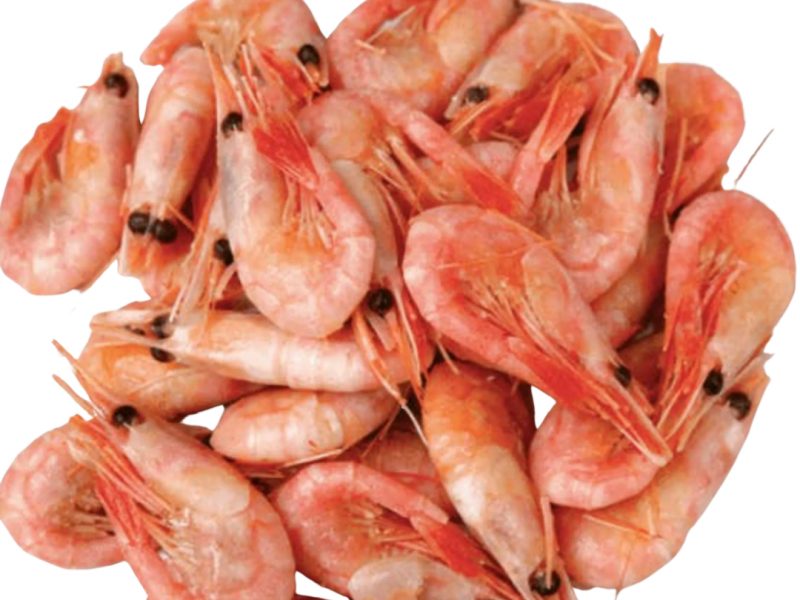
Buying conventions
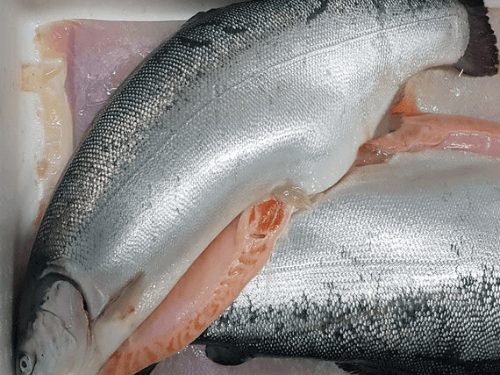
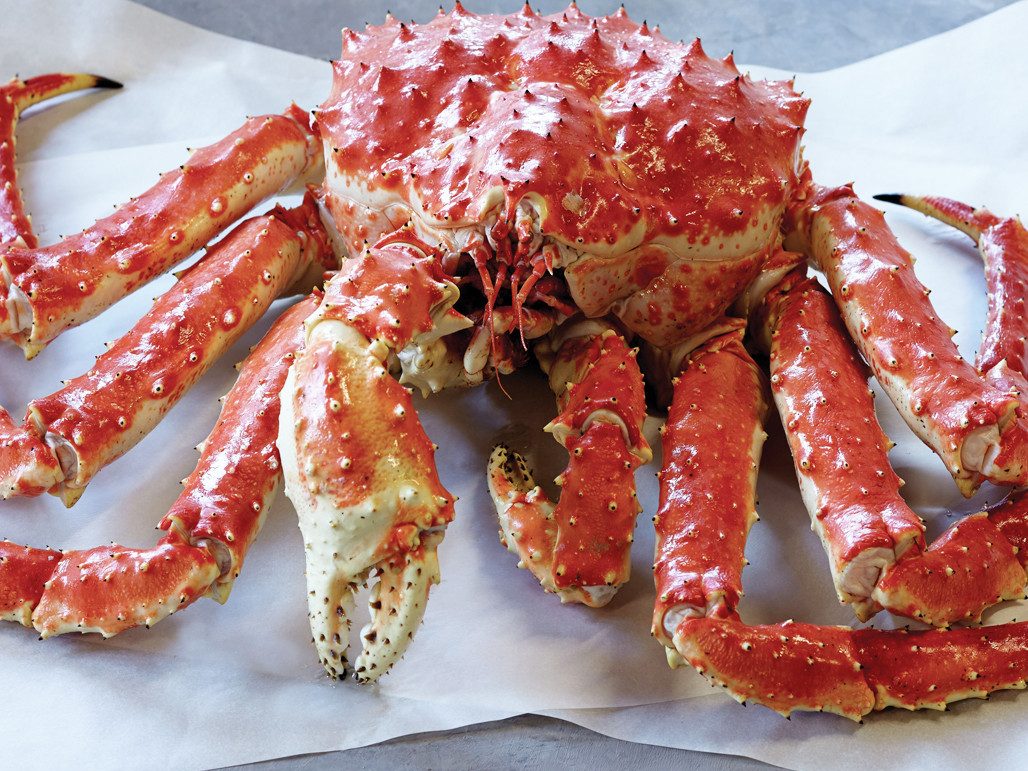
| Primary interest | Fixed-weight salmon portions, Trim E fillet, crab clusters |
|---|---|
| Size language | Ounces — 4, 5, 6, 7, 8 and 10 oz portions; crab clusters in ounce grades |
| Weight basis | Net of glaze, stated explicitly on the specification and the invoice |
Logistics
| Usual mode | Air for chilled, sea container for frozen |
|---|---|
| Common Incoterms | CIP, CFR, FOB — DDP only where we can act as importer of record |
| Regulatory note | US seafood imports are subject to federal food-safety and import-monitoring requirements. Confirm current requirements with your customs broker before contracting — we supply the documentation, your broker confirms the process. |
Documentation available
- Health certificate — Issued per consignment against the destination market’s model certificate.
- Catch certificate — Required for wild-caught product entering the EU and several other markets under IUU rules.
- IUU documentation — Processing statement or catch certificate chain evidencing legal origin.
- Product specification sheet — Generated from the same data as this website, with revision number and date.
- Packing list — Lot numbers, carton counts, net and gross weights per pallet.
- Certificate of origin — Commonly requested for customs clearance outside the EEA.
- Analysis report — Microbiological or chemical analysis to an agreed sampling plan.
- Transport document (B/L, CMR, AWB) — Issued by the carrier according to the agreed Incoterm.
Local trade language
- Center cut
- Portions cut from the thick centre of the fillet. Specify against tail cut.
- Net weight
- In US contracts, take this to mean net of glaze unless the contract says otherwise — and say so in writing.
Include the destination port or airport and the Incoterm you want quoted.
Procurement
Send us your specification
Tell us the species, form, size, packing, quantity and destination. The more detail you provide, the closer the first reply can be to a commercially usable quote.