East Asia
Japan
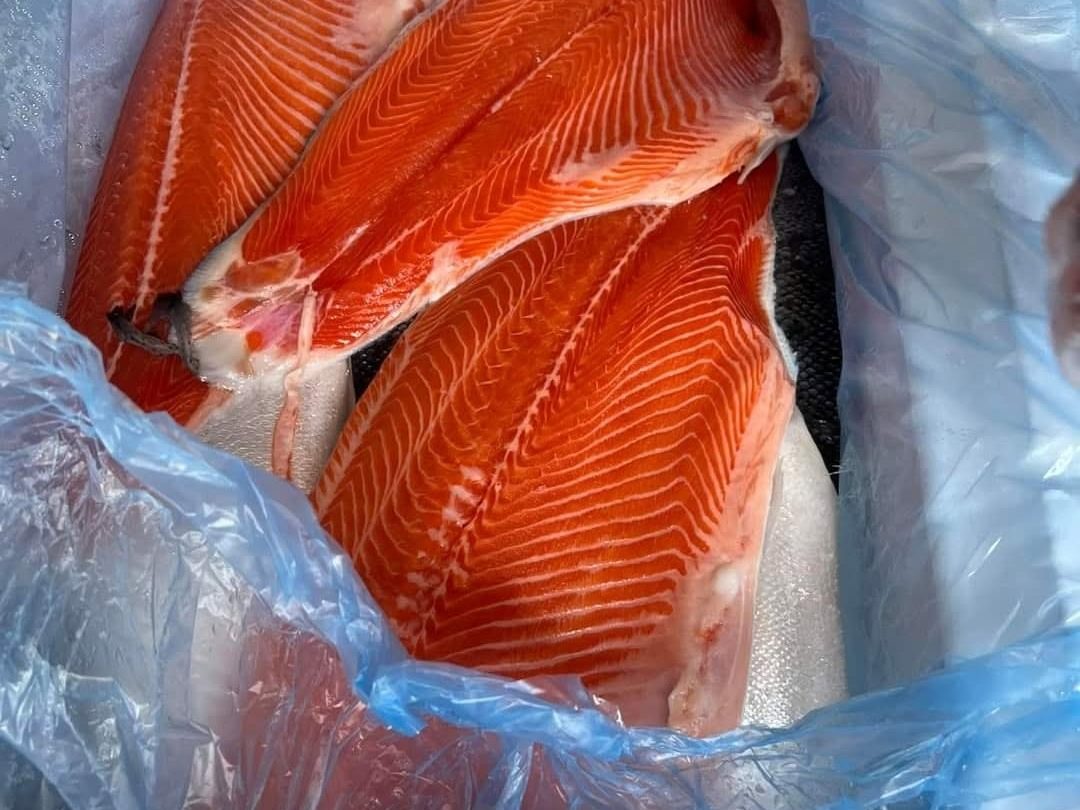
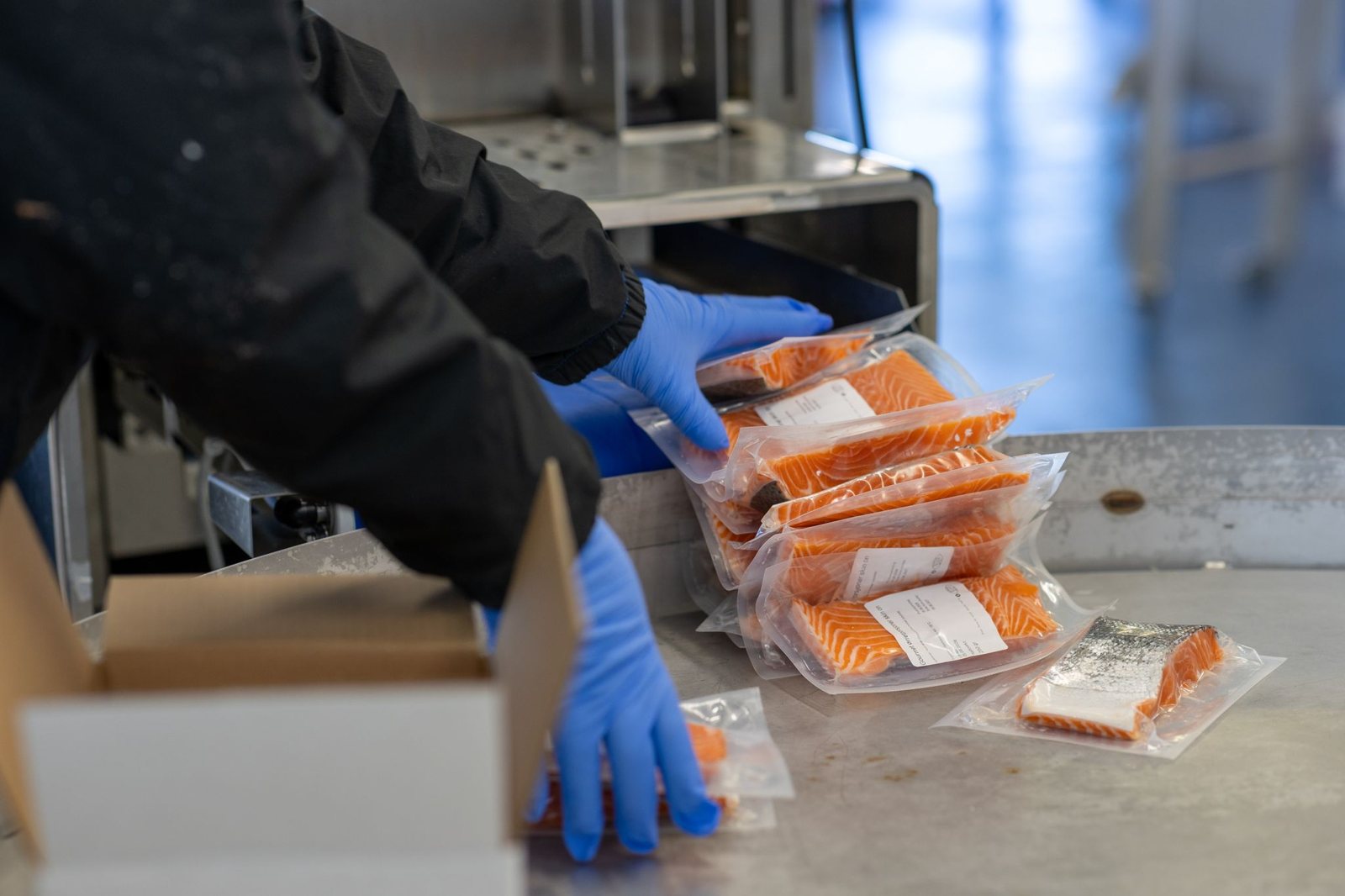
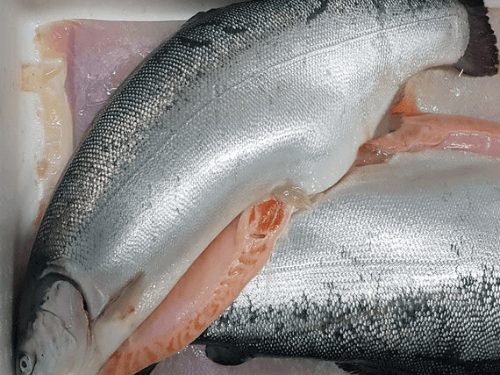
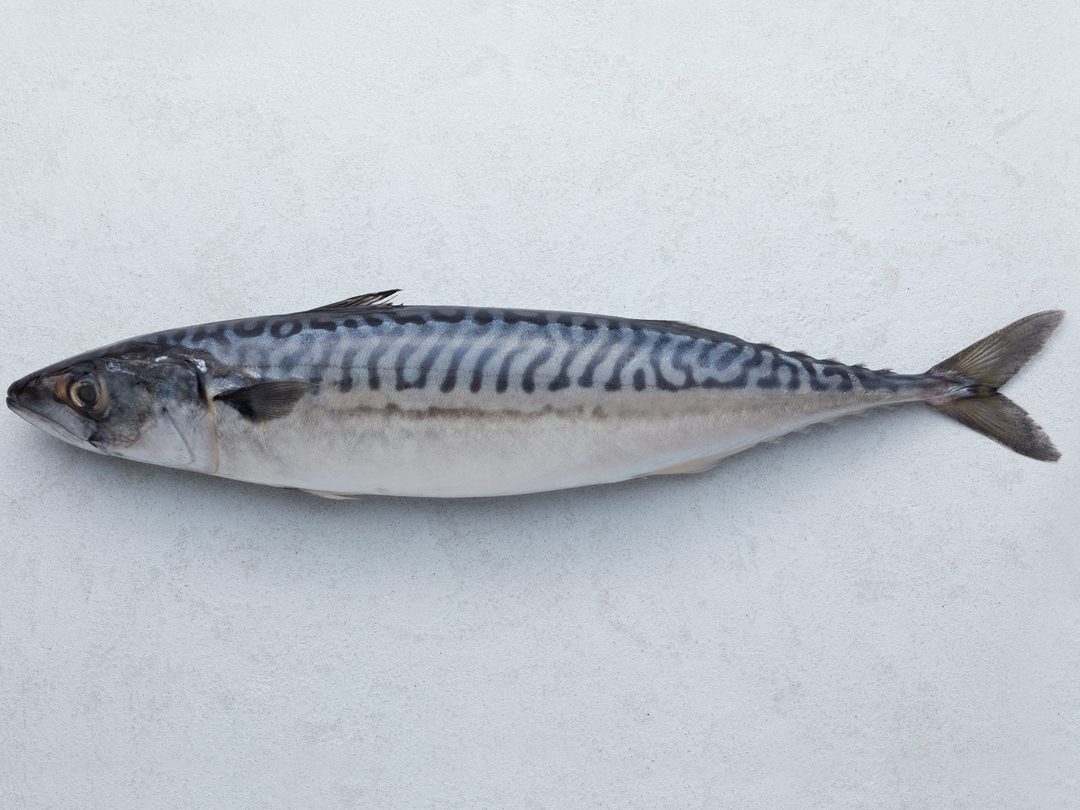
Japan buys Norwegian mackerel on fat content and catch date before anything else, and buys salmonids to a tighter quality specification than most markets. It is the destination where a lot's analysed fat figure, rather than a species average, decides whether the offer is even considered.
What we supply here
Buying conventions
| Primary interest | Frozen whole round mackerel graded on weight and fat; salmonids for sashimi and processing |
|---|---|
| Decisive field | Analysed fat percentage for the specific lot, with catch date |
| Pack style | Hand-laid presentation frequently required |
Logistics
| Usual mode | Sea container for frozen; air for chilled salmonids |
|---|---|
| Common Incoterms | CFR, CIF, CIP |
Documentation available
- Health certificate — Issued per consignment against the destination market’s model certificate.
- Catch certificate — Required for wild-caught product entering the EU and several other markets under IUU rules.
- IUU documentation — Processing statement or catch certificate chain evidencing legal origin.
- Product specification sheet — Generated from the same data as this website, with revision number and date.
- Packing list — Lot numbers, carton counts, net and gross weights per pallet.
- Analysis report — Microbiological or chemical analysis to an agreed sampling plan.
- Certificate of origin — Commonly requested for customs clearance outside the EEA.
- Transport document (B/L, CMR, AWB) — Issued by the carrier according to the agreed Incoterm.
Local trade language
- Saba
- Mackerel. Japanese buyers commonly specify by weight grade and fat percentage together.
Include the destination port or airport and the Incoterm you want quoted.
Procurement
Send us your specification
Tell us the species, form, size, packing, quantity and destination. The more detail you provide, the closer the first reply can be to a commercially usable quote.